Two books, two perspectives
Understand, master and humanize artificial intelligence. The two books presented here explore AI from two complementary angles: educational and practical impact on the one hand, technical foundations and LLM engineering on the other.
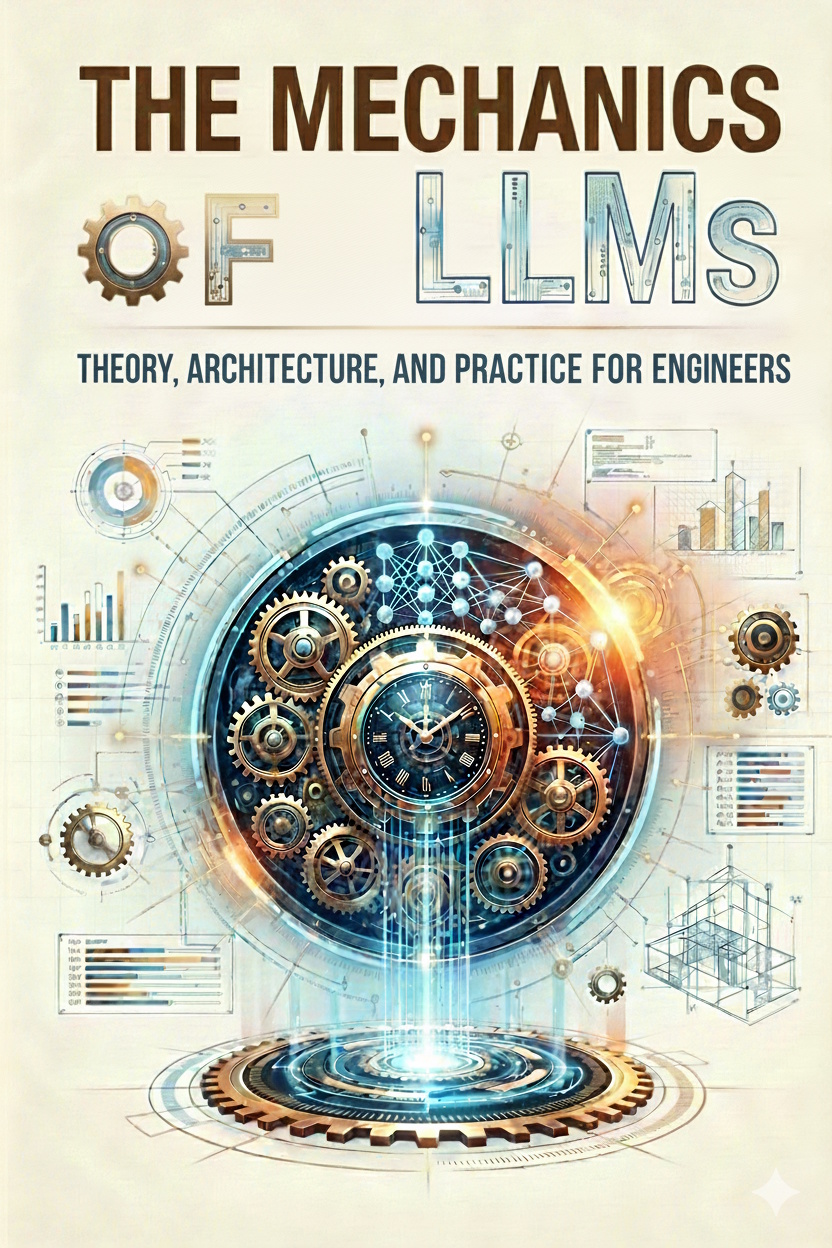
The Mechanics of LLMs (technical level)
An engineering-focused book that dissects modern language models (Transformer, variants, agentic ecosystems) with an IT decision-maker's perspective.
- 15 progressive chapters: fundamentals, architecture, learning, agents and RAG
- 9 Python scripts to illustrate attention, RAG, agents and fine-tuning (LoRA)
- 153 pages oriented toward decisions: performance / cost / quality trade-offs
Audience: engineers, data scientists, advanced students, technical leaders.<br>One of the rare books offering a complete, technical and operational view of LLMs, far from simplifications and hype.
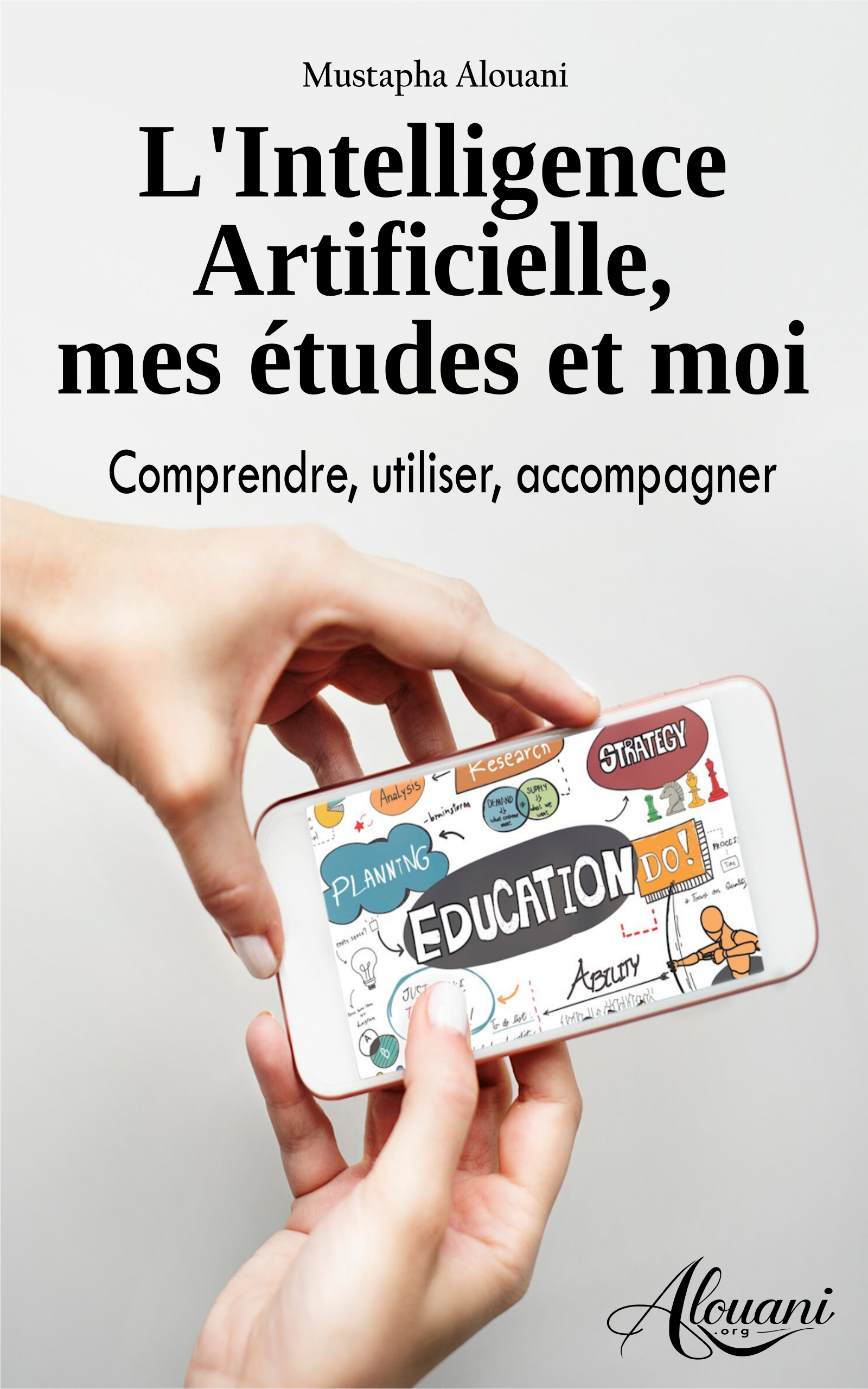
AI & Teaching (educational level)
A guide to understanding the impact of AI on education and to supporting pupils and students in their everyday use of AI tools.
- 10 practical chapters and a toolkit tested in educational contexts
- Focus on real use cases, risks and ethical reference points
- 235 pages accessible with no technical prerequisites
Audience: teachers, students, trainers, parents, educational decision-makers.<br>An accessible guide to support the educational digital transition, with concrete benchmarks and proven tools.
At a glance
| Aspect | AI & Teaching | The Mechanics of LLMs |
|---|---|---|
| Main audience | Teachers, students, parents | Engineers, data scientists, CTO/CIO |
| Objective | Understanding and integrating AI in education | Understanding the internal mechanics of LLMs |
| Level | Accessible, no prerequisites | Intermediate to advanced |
| Length | 235 pages | 153 pages |
Which book for which profile?
- For a first approach to AI applied to education: AI & Teaching.
- For an in-depth analysis of LLM architecture and functioning: The Mechanics of LLMs.
- For a complete view, from classroom practice to architectural choices: the two books complement each other.
These books build on more than twenty years of experience in information systems and educational support, with the same requirement: putting technology at the service of people.